
Planning a move when the weather won't cooperate
Prepare for rain, heat or winter weather on moving day. Check access, protect personal essentials and discuss changing conditions with your mover.
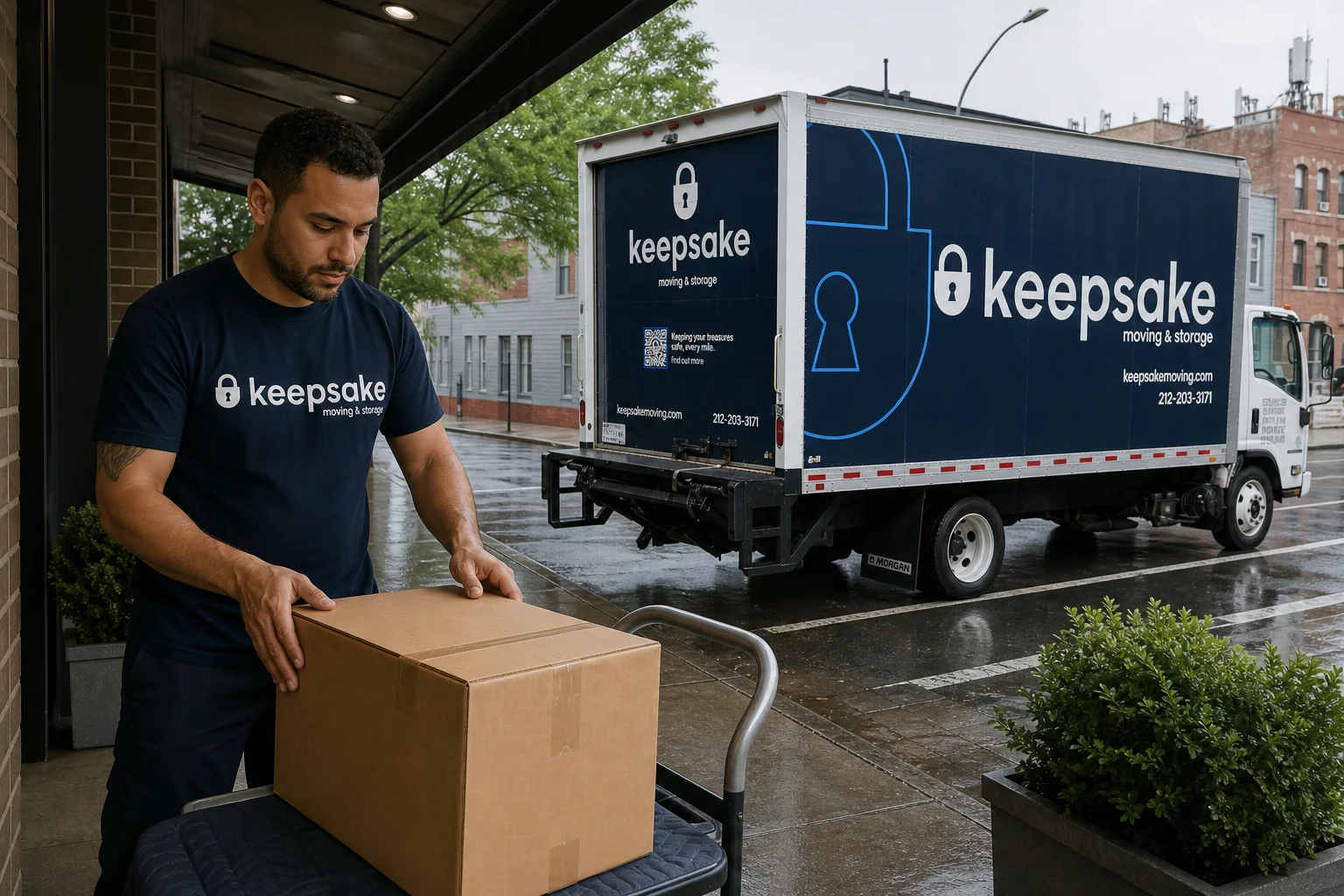
Before you start
Check the forecast, discuss changing access and keep personal essentials ready for the conditions.
Weather can change the practical details of a move: how you get between addresses, the condition of an entrance and what needs to stay accessible while the crew works.
Check the forecast as the date approaches and discuss relevant changes with your mover. For a local NYC move, conditions at both buildings matter, including the route between the loading area and the entrance.
Use a forecast for the place and time involved
Check an official forecast close enough to the move to inform the plan, then look again if conditions are changing. The National Weather Service alerts page provides current warnings and links to local information.
Do not build the whole plan around a broad seasonal expectation. A winter move is not automatically a snow move, and a summer date does not describe the conditions of a particular afternoon.
For an interstate journey, discuss how conditions along the route or at the destination could affect the arrangements. Your local forecast is only one part of that conversation.
Tell the mover about access changes
Let the mover know if rain, snow or another condition has affected access at either address. Include any information received from building management.
Do not assume a usual entrance or loading arrangement remains available. A building may issue instructions for the day, or a route may need to be assessed again.
Ask who is responsible for clearing and maintaining the relevant entrance or shared area. Keep that coordination with the building and the people authorized to do the work rather than assuming the moving crew provides it.
If an area is unsafe, tell the crew and keep people clear while the appropriate response is worked out. A schedule is not a reason to improvise a hazardous carrying route.
Keep personal belongings ready for the journey
Pack clothing suited to the forecast with your personal essentials, including footwear you can use safely while travelling between buildings. Keep a dry change available if needed.
Protect the documents, devices and other possessions you are carrying yourself with suitable bags or cases. Do not leave them on the sidewalk or beside an open entrance while dealing with another task.
Make a plan for children, pets and anyone who should not be waiting outside. Temporary shelter and transport need to be part of the household arrangements, particularly if a handover takes longer than expected.
Our first-night essentials guide helps you keep the useful personal items out of the packed load.
Discuss rain without promising everything is waterproof
Tell the mover about delicate or moisture-sensitive belongings during planning. Ask how they should be prepared and whether any particular packing decision is needed.
Keep customer-packed boxes dry before collection. Do not store them on a wet balcony, beside a leak or on a damp surface while waiting to load. A box may look intact while its strength has been affected.
Avoid adding improvised coverings that interfere with handling or hide a damaged container. Discuss the concern with the crew so the item and packaging can be assessed together.
No general guide can promise that a move in rain carries no risk. Useful preparation identifies what needs attention and gives the people doing the work time to respond.
Think through heat and cold as household conditions
Keep personal essentials, necessary medicines and sensitive belongings under the storage conditions they require. Follow their instructions and ask an appropriate professional if you are unsure about transport.
Plan access to drinking water and a suitable place for household members to wait. Keep children and pets supervised in appropriate conditions rather than treating a parked vehicle as a waiting room.
For items that have manufacturer requirements about temperature or operation after transport, follow those instructions. Do not assume all electronics or materials can be treated alike.
The mover can discuss the conditions affecting the job; health questions and product-specific care belong with the relevant professional or manufacturer.
Keep the people making decisions reachable
Confirm how the mover can contact you if conditions affect timing. If somebody else is opening the destination, make sure they also know how to receive updates.
Tell building management if an agreed arrival arrangement needs to be revisited. Avoid sending different timing instructions through several people without confirming which version is current.
If a change to the moving date is being considered, discuss availability and the booking terms directly. Do not assume a weather forecast automatically cancels the move or creates a particular refund entitlement.
Keepsake’s current booking and cancellation information is in the terms.
Leave some room in your personal schedule
Where you can, avoid placing an immovable personal appointment immediately beside the move’s handover. The appropriate amount of flexibility depends on your actual plans, rather than a generic extra number of hours.
When choosing a date, the weekday-or-weekend guide helps compare other constraints alongside the weather.
The aim is a workable plan for the conditions you have, with clear communication when they change. A forecast is useful information to act on, not something the mover can guarantee.
Common questions
Will movers still move in the rain?
Rain does not answer that question by itself. The conditions, access and items need to be assessed, and severe weather may require changes. Contact the mover about the forecast and any affected entrance or loading area. Do not assume either automatic cancellation or a guarantee that the plan can continue unchanged; confirm the arrangements and applicable booking terms.
Should I wrap every moving box in plastic if rain is forecast?
Discuss moisture concerns and packing with the mover rather than applying a universal covering that could interfere with handling. Keep boxes dry before collection, identify sensitive belongings and flag damaged packaging. Suitable preparation depends on the item and conditions. Improvised wrapping should not hide a weak box or be treated as a waterproof guarantee.
What weather information should I give the moving crew?
Share relevant changes at both addresses, such as an affected entrance, access instructions from management or a route that needs assessment. Keep contact people reachable if timing changes and check official weather alerts. For longer moves, conditions at the destination matter too. The crew needs the practical effect on the job, not only the forecast headline.