
Packing clothes for a move, including tomorrow's outfit
Plan everyday outfits, hanging clothes and seasonal storage before moving. Keep the things you will need accessible while packing the rest.
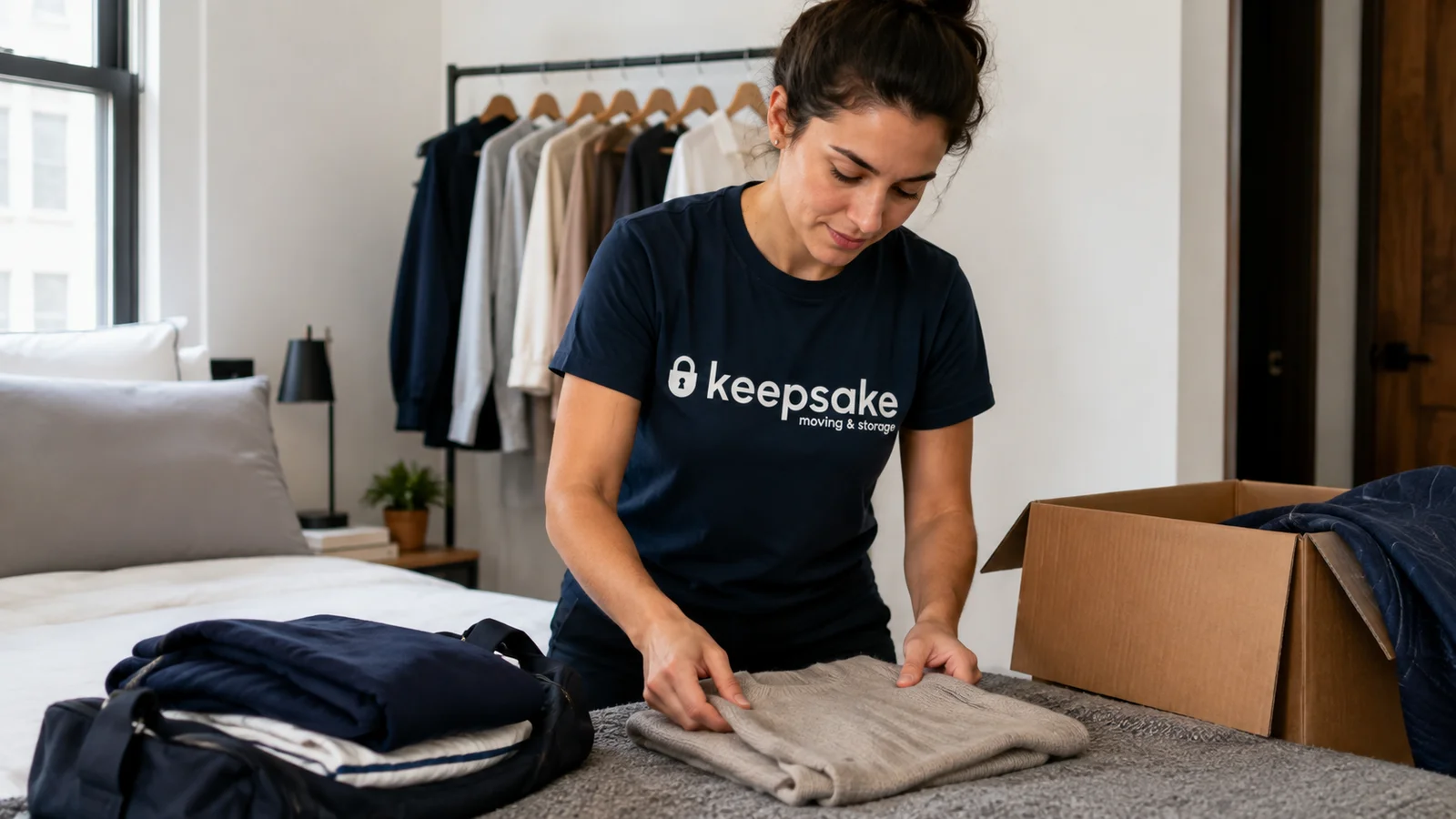
Before you start
Separate the clothes you are moving from the clothes you still need to wear.
The easiest clothes to pack are the ones you will not need until another season. The hardest are the clothes you need tomorrow morning, which tend to disappear into a box at exactly the wrong time.
Treat those as separate jobs. Pack the wardrobe you are moving, and keep a small wardrobe for living through the move. If you would like some of the packing handled for you, our packing options can cover selected rooms as well as a whole home.
Set aside what you will actually wear
Put together clothes for moving day and the first few days at the new address. Include sleepwear, underwear, suitable shoes and anything required for work or an appointment. Keep this bag with the possessions you are carrying personally.
Think about the weather and what you will be doing, rather than packing an idealized weekend away. A move may involve cleaning, waiting for a handover and travelling between addresses. The outfit you want for a meeting may not be the one you want for those jobs.
Keep coats, bags and accessories needed before departure out of the sealed load. It is surprisingly easy to pack the coat with the keys still in its pocket.
Sort before taking everything off the rail
Work in sections: a drawer, a shelf or part of the hanging rail. Put clothes you are keeping directly into the packing process so they do not become another heap to sort.
Set aside anything you intend to sell or donate, then make a realistic plan for that handoff. If there is no time left to arrange it, decide whether the items come with you or need a different removal plan. An uncollected bag beside the door is still part of the move.
Our decluttering guide can help if sorting is taking longer than packing. The goal is to make decisions you can finish, without turning a move into a complete assessment of your life through trousers.
Pack clean, dry clothes
Only seal clothes away when they are clean and dry. Keep damp laundry, wet shoes and recently washed items out until they are ready. A sealed bag does not complete the drying process.
Fold ordinary garments into suitably sized boxes or luggage without crushing them under heavier possessions. Avoid mixing clothes with toiletries or cleaning products that could leak.
If you use compression bags, check whether they suit the garments and how long they will remain packed. Follow the garment’s care instructions for pieces with structure, delicate fabrics or trim. Saving space is less useful if it creates a restoration project later.
Decide what should stay hanging
Ask about the available packing arrangement for suits, dresses, coats and other hanging garments. Do not assume a particular type of container is included in the move unless it has been agreed.
For items you prepare yourself, use protection appropriate to the garment and keep hangers controlled so hooks cannot catch on other belongings. Avoid packing sharp or protruding hanger parts against delicate fabric.
A valuable outfit, wedding dress or fragile vintage garment deserves its own conversation. Explain its condition and how it is normally stored. General clothing advice cannot account for every material or construction.
Empty drawers according to the agreed plan
Check with the mover before leaving clothes in a dresser. Furniture condition, weight, construction and access can affect how it should be prepared. A drawer that stays shut in daily use may behave differently when the piece is carried.
Separate loose jewelry, coins, paperwork and other small belongings from clothing before packing. Keep valuable and essential personal items under your control rather than leaving them hidden in the furniture.
If you remove drawers or detachable furniture parts, agree on how they will be identified and kept together. Avoid beginning disassembly that you cannot safely complete or reverse.
Keep shoes from doing damage
Clean off loose dirt, make sure shoes are dry and protect the things packed beside them. Place shoes so their shape is supported, without forcing a heavy pair against a delicate one.
Keep a useful pair accessible for the move and another for whatever comes next. You do not need every shoe available, but needing to find one specific box before leaving for work is an avoidable way to begin at a new address.
Belts, scarves and accessories can be grouped in smaller labeled bags or containers within the appropriate clothing box. That makes them easier to find than a loose layer beneath everything else.
Unpack by what the week needs
Label clothes by person, destination and use. “Bedroom: work clothes” gives you a useful starting point. Seasonal clothes can wait while you set up the everyday wardrobe.
Keep the personal clothing bag with your first-night essentials until the bedroom is functioning. Then unpack in an order that gives you something to wear, somewhere to sleep and access to the laundry.
The entire wardrobe does not have to be arranged on the first evening. Tomorrow’s outfit is a more reasonable target.
Common questions
Is it better to pack clothes in bags or boxes?
Use the container that suits the garments and how they will be handled. Sound boxes or luggage can work for folded everyday clothes, while hanging and delicate pieces may need a different arrangement. Keep clothes clean and dry, separate them from liquids and ask about the packing approach for anything whose shape or fabric needs protection.
Can clothes stay in dresser drawers during the move?
Check with the mover before leaving a dresser loaded. Its construction, condition, weight and the carrying route affect preparation. Remove valuables, papers and loose personal items regardless of the clothing plan. If drawers or parts need to come out, agree on how they will stay identified rather than starting an unplanned disassembly.
What clothes should I keep outside the moving boxes?
Set aside moving-day clothes, sleepwear, underwear, suitable shoes and outfits needed for the next few days. Include work or appointment clothing if relevant, and account for the weather. Keep that bag with you, along with any coat or accessory still in use, so the first morning does not depend on finding a sealed wardrobe box.