
NYC moving-day parking and elevator planning
Check loading signs, confirm building access and plan an elevator booking for your NYC move without assuming a curb space or insurance approval is enough.
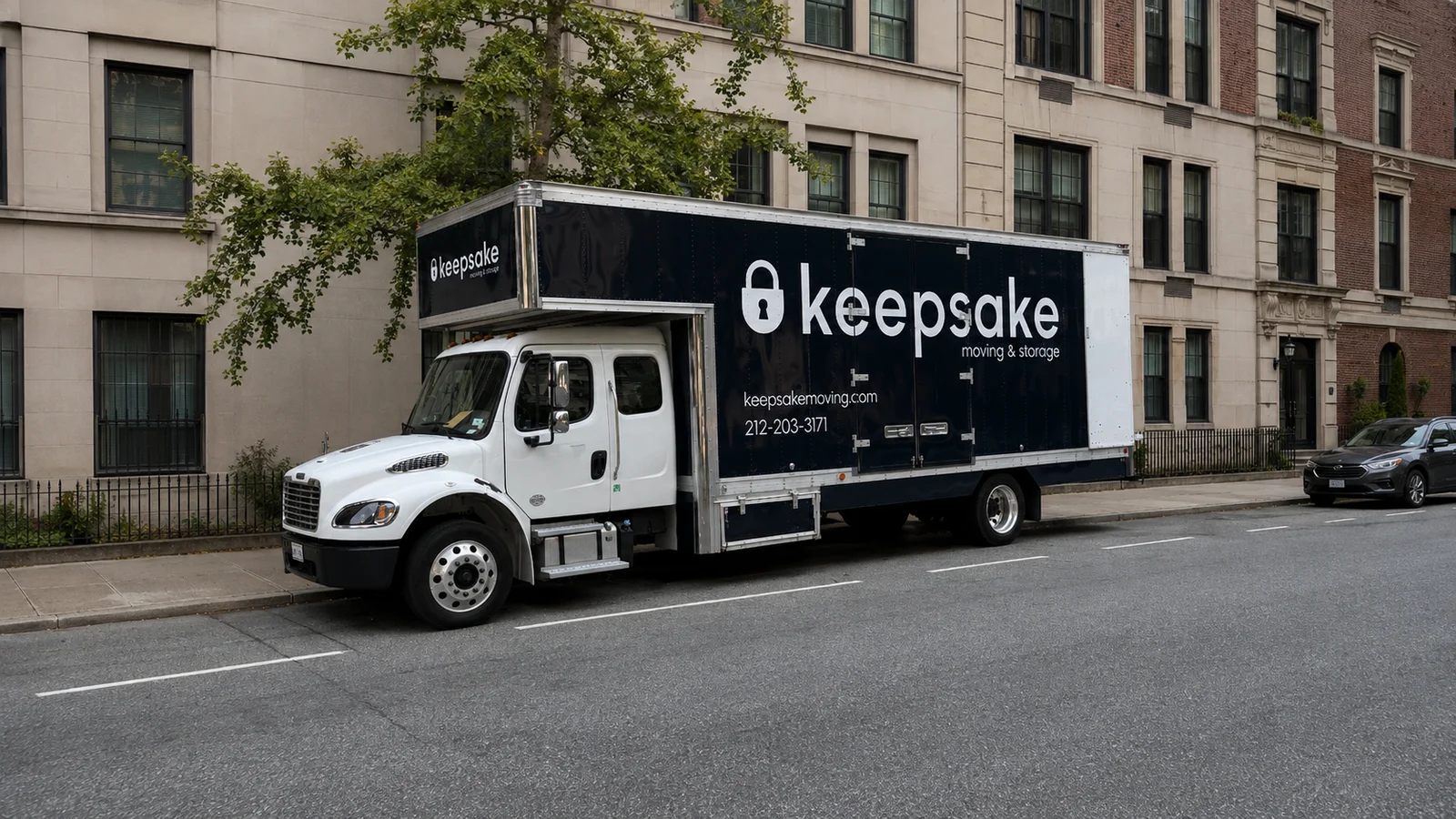
Before you start
Confirm the building’s moving window and elevator procedure with management, then share current street restrictions with your mover. Insurance approval does not reserve the elevator or curb.
A moving date is only part of an access plan. You also need to know when the building permits the work, how the elevator is booked and where the truck may legally load. Those arrangements can involve different people, so keep a record of each confirmation.
Start with management at both addresses and give the mover what you learn. The driver needs the current street conditions; the crew needs the building instructions. Neither can be worked out from the apartment number alone.
Ask each building how moves are arranged
Request the written moving policy from the person responsible for booking access. It may be the managing agent, superintendent, resident-services team or another named contact.
Collect the details that affect the day:
- Permitted moving dates and hours, including any restrictions on weekends or holidays.
- Which entrance and elevator movers must use.
- How to request the elevator and who confirms the reservation.
- Whether setup or protective measures must be arranged through the building.
- Insurance documents and the contact who approves them.
- Any resident-paid booking fee, deposit or other requirement.
- The procedure if the crew arrives late or the elevator becomes unavailable.
These are questions for your particular property, not a list of rules that every NYC building uses. Save the answers separately for pickup and delivery so the two sets of instructions do not get mixed together.
Distinguish requested access from confirmed access
An email asking for Tuesday morning does not establish that Tuesday morning is available. Get written confirmation of the date, time window, entrance and elevator arrangement.
Ask what the window actually covers. Does the building expect all loading or unloading to be completed by the end, or does the reservation describe when the crew may begin? If the instructions do not say, clarify before asking the mover to plan around them.
If the two buildings offer incompatible windows, tell the mover before accepting both. Let the company assess whether the planned job can work within those restrictions and what would need to change. Do not solve the conflict by assuming a particular drive time through the city.
Keep insurance approval separate. Our COI guide explains how to submit the building’s requirements, but an accepted certificate does not by itself reserve the elevator.
Read the actual curb signs
Photograph the posted signs around the possible loading area and share the location with the mover. Include the days, hours, arrows and any temporary notices rather than sending a close-up of only the largest words.
NYC DOT distinguishes three common restrictions:
| Posted restriction | What DOT’s summary allows |
|---|---|
| No Parking | Active passenger pickup/drop-off and loading or unloading packages; no waiting. |
| No Standing | Passenger pickup/drop-off only; no package loading or waiting. |
| No Stopping | Neither passenger nor package loading, and no waiting. |
This is a summary of those sign categories. Other restrictions, the vehicle type and the precise location still matter. The mover must assess the lawful loading arrangement for the truck. Read NYC DOT’s parking-regulation guide.
A space that looks clear on a map may be a hydrant area, driveway, restricted curb or temporary construction zone. Check the street close to the move as well as during initial planning.
Do not treat a loading zone as reserved space
NYC has several loading-zone types, including commercial metered areas, Neighborhood Loading Zones and Truck Loading Only zones. Their permitted users and operating hours differ. The posted sign controls the use; the presence of a zone nearby does not guarantee that it will be vacant when your truck arrives. See DOT’s loading-zone information.
Do not put out household cones, furniture or bins and assume you have legally reserved public curb space. Ask management whether the building has a private loading area or an established access procedure, and have the mover review any arrangement you are offered.
Double-parking rules also depend on circumstances and vehicle use. Rather than assuming a moving truck may stop anywhere while loading, refer the driver to the actual street conditions and DOT’s commercial-vehicle parking guidance. Never plan around blocking a pedestrian route or building exit.
Share the route from truck to apartment
Tell the mover about a side entrance, loading dock, interior passage, entry steps or any route that differs from the main lobby. If you can photograph the path with management’s permission, include those images with the access instructions.
For an elevator building, identify the cab and door dimensions if management can provide them, along with any stated limits. Those measurements inform an assessment; they do not establish that a large piece will fit around the turns before or after the elevator.
For a walk-up, the stairwell preparation guide covers the landings and furniture questions in more detail. Keep the access notes together so the driver and crew are not relying on different descriptions.
Have a contact plan for the day
Write down who can answer a building-access problem during the actual moving hours. A general office inbox may not be monitored when the crew arrives.
Keep the confirmed bookings, approvals and phone numbers on your own phone, with a copy available offline. Tell the mover who will meet the crew at each address and how that person can be reached.
If the elevator is out of service or the expected loading point is unavailable, report the situation promptly. The next step is a revised workable plan, not an assumption that the crew can simply use the stairs or another entrance. Any change in the agreed work needs to be discussed with the company.
For a Keepsake local move, send our team the building contacts and written requirements. We coordinate directly with management on the move and its insurance documents. Confirm who is making each access reservation, then add the completed arrangements to your moving checklist.
Common questions
Where can a moving truck park in NYC?
The lawful loading position depends on the posted restrictions, truck and actual street conditions. Share current sign photographs with your mover and let the driver assess the location. A nearby loading zone is not a reservation, and the building’s approval does not authorize street parking. NYC DOT’s commercial-vehicle guidance is the relevant starting point.
Who should book the freight elevator?
Ask management who is allowed to request the booking and how confirmation is issued. Then agree with the mover who is completing that task. Keep the confirmed date, window and entrance instructions. A mover coordinating insurance documents is not proof that an elevator has also been reserved, and a requested booking is not yet an accepted one.
What if the pickup and delivery elevator windows conflict?
Show both written windows to the mover before treating the schedule as settled. Ask whether the job is workable and which arrangement needs to change. Management may have other availability, but you cannot assume an exception. Clarify whether each window covers the whole loading or unloading period so the company is planning around the actual restriction.